DNB COLLEGE

Drum & Bass Ableton Live 12 Tutorials

LESSON DETAIL

Advanced swing mapping with stock plugins (Intermediate)

An AI-generated intermediate Ableton lesson focused on Advanced swing mapping with stock plugins in the Groove area of drum and bass production.

Back to lessons
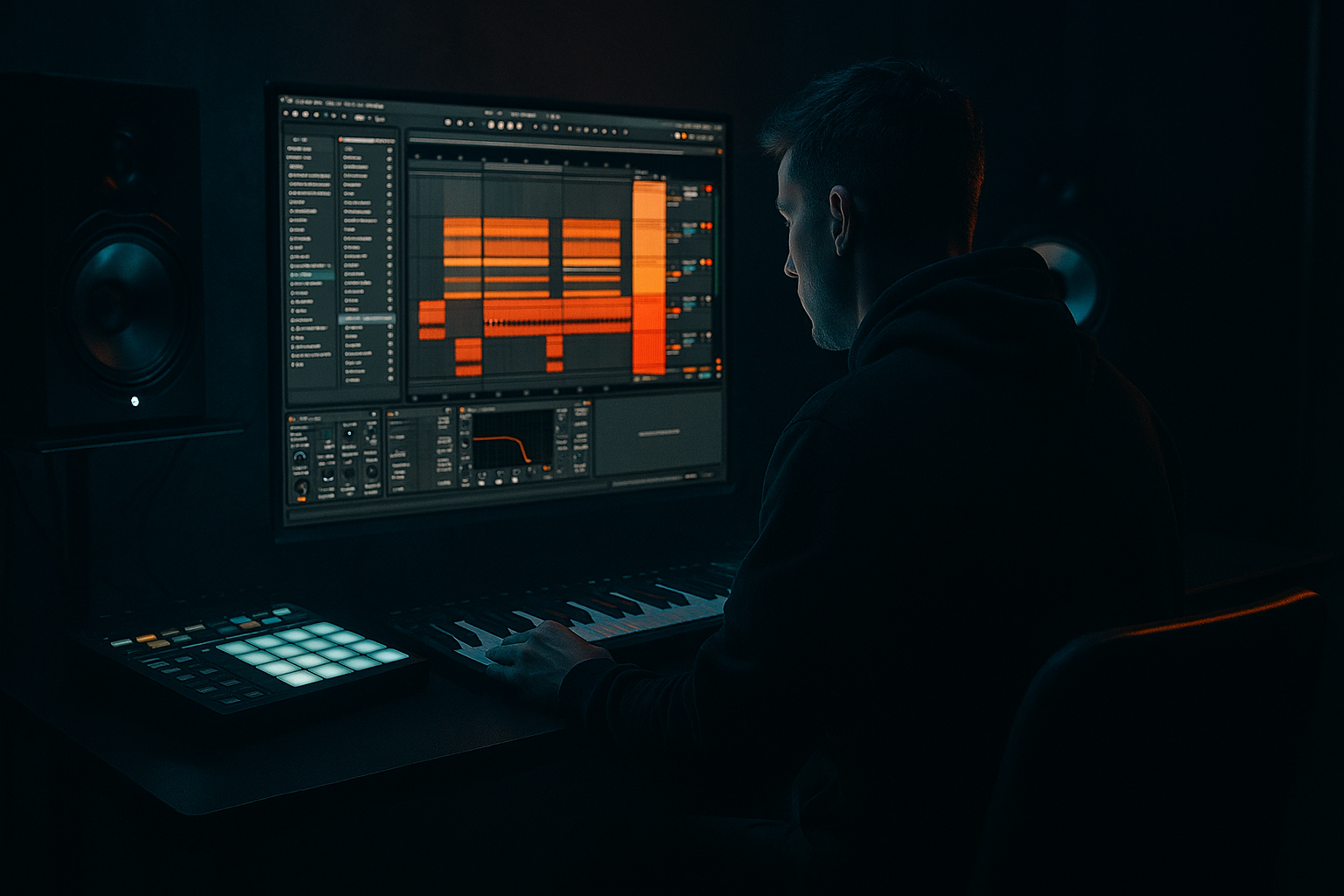
Advanced swing mapping with stock plugins (Intermediate) cover image

Narrated lesson audio

The voice track includes the tutorial plus extra teacher commentary.

Open audio file

Main tutorial

Advanced Swing Mapping with Stock Plugins in Ableton Live 👾

Lesson Overview

Welcome to this energizing tutorial on Advanced Swing Mapping in Ableton Live — designed specifically for drum and bass producers! 🎶 We're diving deep into swing techniques that will help you inject groove and energy into your tracks, giving that signature rolling feel that DnB is known for. We'll be leveraging Ableton's stock devices to create a pulsing rhythmic vibe that locks your listeners in!

---

What You Will Build

By the end of this lesson, you’ll have:

  • A cohesive DnB drum groove featuring advanced swing mapping
  • A powerful bass line that complements the swing
  • Use of stock Ableton plugins, including the Groove Pool and Drum Rack for optimized groove application
  • ---

    Step-by-Step Walkthrough

    1. Set Up Your Ableton Project

  • Open Ableton Live and create a new project.
  • Set your BPM to around 170 — the sweet spot for DnB.
  • Create three audio or MIDI tracks: one for drums, one for bass, and one for melodic elements (optional).
  • 2. Create a Basic Drum Pattern

  • Insert a Drum Rack into the drum track. Use some classic DnB samples: kick, snare, hi-hat, and a ride.
  • Program a 16-bar loop:
  • - Kick Drum: On beats 1, 3, and the "&" of 2.

    - Snare Drum: On beats 2 and 4.

    - Hi-Hats: Closed hi-hats on the off-beats (1 &, 2 &, 3 &, 4 &).

    Here’s a basic MIDI grid representation for the kick and snare:

    ```

    K = Kick, S = Snare, H = Hi-Hat

    1 | K | | S | K | | S | K |

    2 | | H | | H | | H | | H |

    3 | K | | S | K | | S | K |

    4 | | H | | H | | H | | H |

    ```

    3. Add Swing with the Groove Pool

  • Select Clips: Click on your MIDI drum clip and navigate to the Groove Pool (found on the left sidebar).
  • Add Groove: Choose an existing groove from the Ableton library, such as "Swing 16" or "Swing 8".
  • Apply Groove: Adjust the Amount to around 70%. This will start to create that swing feel.
  • 4. Implementing Advanced Swing Mapping

  • Automate the Groove Amount:
  • - Click on your drum clip and go to the Envelope section.

    - Choose Groove in the MIDI Clip Envelopes and automate the groove amount to vary throughout your drum pattern – e.g., 70% in some sections and 100% in others.

    5. Create a Rolling Bass Line

  • Insert a Bass Instrument: Use the Analog or Operator device to create a deep sub-bass.
  • - Set a low pass filter with a cutoff around 100 Hz.

    - Add some distortion using the Saturator for a bit of grit.

  • Program Bass Notes: Play around with long, sustained notes that follow the kick pattern. Try using triplets for an added groove.
  • 6. Arrange Your Groove

  • Structure your groove to build up to a full DnB drop:
  • - Intro: 8 bars (drums only)

    - Build: 8 bars (add bass)

    - Breakdown: 8 bars (remove drums; melodic elements come in)

    - Drop: Full drums and bass.

    ---

    Common Mistakes

  • Too Much Swing: Using high groove amounts can lead to a cluttered rhythm. Keep it between 50-70% for a solid foundation.
  • Neglecting Layering: Ensure your kick and snare still punch through the mix - watch how your bass interacts with the drums.
  • Over-Automation: While automation adds interest, be careful not to make it too erratic.
  • ---

    Pro Tips for Darker/Heavier DnB

  • Use Dissonance: Layer additional percussion or synths with slight detuning to create an eerie atmosphere.
  • Reverb and Delay: Use a small amount of reverb on your snares and melodic elements to give depth, but keep kick and bass tight.
  • Filter Automation: Experiment with automating a band-pass filter on basses to create tension during builds.

---

Mini Practice Exercise

1. Create your own DnB groove using the steps provided.

2. Experiment with different swing settings and automation in the Groove Pool.

3. Record a simple melody on a synth with syncopated rhythms and apply swing to it.

---

Recap

Congratulations! 🎊 You’ve just unlocked advanced swing mapping techniques using Ableton Live’s powerful stock plugins. You should now be able to create captivating drum and bass grooves with a solid rolling feel. Remember to keep the groove fresh through automation and layering, and don’t hesitate to dive deeper into sound design for a darker DnB aesthetic. Keep experimenting, and let your creativity flow! 🚀

Happy producing!

Ask GPT about this lesson

Chat with the lesson tutor, get follow-up help, or use quick actions.

Bigup 👽 Ask me anything about this lesson and I’ll answer in context.

Narration script

Show spoken script
Welcome to this energizing tutorial on Advanced Swing Mapping in Ableton Live, designed specifically for drum and bass producers! We're diving deep into swing techniques that will help you inject groove and energy into your tracks, giving that signature rolling feel that DnB is known for. Today, we'll leverage Ableton's stock devices to create a pulsing rhythmic vibe that locks your listeners in!

By the end of this lesson, you’ll have a cohesive DnB drum groove featuring advanced swing mapping, a powerful bass line that complements the swing, and the knowledge of how to effectively use stock Ableton plugins like the Groove Pool and Drum Rack.

Let’s get started! First, open Ableton Live and create a new project. Set your BPM to around 170—the sweet spot for DnB. Next, create three tracks: one for drums, one for bass, and one for any melodic elements if you'd like to add some flavor.

Now it’s time to create a basic drum pattern. Insert a Drum Rack into your drum track. Choose some classic DnB samples like a kick, snare, hi-hat, and a ride. Program a 16-bar loop, placing your kick drum on beats 1, 3, and the "&" of 2. The snare goes on beats 2 and 4, and for the hi-hats, place closed hi-hats on the off-beats, which are 1 &, 2 &, 3 &, and 4 &.

Now that we have a solid foundation, let’s add some swing using the Groove Pool. Click on your MIDI drum clip and navigate to the Groove Pool located on the left sidebar. Choose an existing groove from the Ableton library, something like "Swing 16" or "Swing 8." Adjust the Amount to around 70%. This will start to create that swing feel you’re after.

To take things a step further, let’s implement advanced swing mapping. Click on your drum clip and go to the Envelope section. Here’s the fun part: choose Groove in the MIDI Clip Envelopes and automate the groove amount to vary throughout your drum pattern. Try setting it to 70% in some sections and 100% in others to keep things interesting.

Moving on, we need to create a rolling bass line. Insert a Bass Instrument using Ableton’s Analog or Operator device to create a deep sub-bass. Set a low pass filter with a cutoff around 100 Hz, and add a bit of distortion with the Saturator for some grit. Program bass notes that play around with long, sustained notes that follow the kick pattern. Using triplets every now and then will really enhance the groove.

Now that we’ve built our drum and bass foundation, let’s think about arrangement. Structure your groove to build up to a full DnB drop. Start with an intro where the drums play alone for 8 bars, add the bass during the build for another 8 bars, then remove the drums for a breakdown in the next 8 bars, and finally bring it all together for a drop with full drums and bass.

Before we wrap up, let’s touch on some common mistakes to avoid. Be cautious about using too much swing—this can lead to a cluttered rhythm. Ideally, you want to keep your swing between 50-70% for a solid groove. Also, don’t neglect layering. Make sure your kick and snare punch through the mix, and watch how your bass interacts with the drums. Last, avoid over-automation; while it can add interest, too much can make it feel erratic.

Here are a few pro tips for those of you looking for a darker or heavier DnB sound. Consider using dissonance by layering additional percussion or synths with slight detuning to create an eerie atmosphere. When it comes to your snares and melodic elements, use a small amount of reverb for depth, but keep your kick and bass tight. Experiment with automating a band-pass filter on your basses to create tension during your builds.

Now, for a mini practice exercise, I want you to create your own DnB groove using the steps we've covered today. Play around with different swing settings and automation in the Groove Pool, and try recording a simple melody on a synth with syncopated rhythms and applying swing.

Congratulations! You’ve just unlocked advanced swing mapping techniques using Ableton Live’s powerful stock plugins. You should now be well-equipped to create captivating drum and bass grooves with a solid rolling feel. Remember, keep your groove fresh through automation and layering, and don’t hesitate to dive deeper into sound design for a more atmospheric DnB aesthetic. Keep experimenting, and let your creativity flow! Happy producing!

mickeybeam

Go to drumbasscd.com for +100 drum and bass YouTube channels all in one place - tune in!

Generating PDF preview…
