DNB COLLEGE

AI Drum & Bass Ableton Tutorials

LESSON DETAIL

Tension chord voicings that actually works (Intermediate)

An AI-generated intermediate Ableton lesson focused on Tension chord voicings that actually works in the Composition area of drum and bass production.

Free plan: 0 of 1 lesson views left today. Premium unlocks unlimited access.

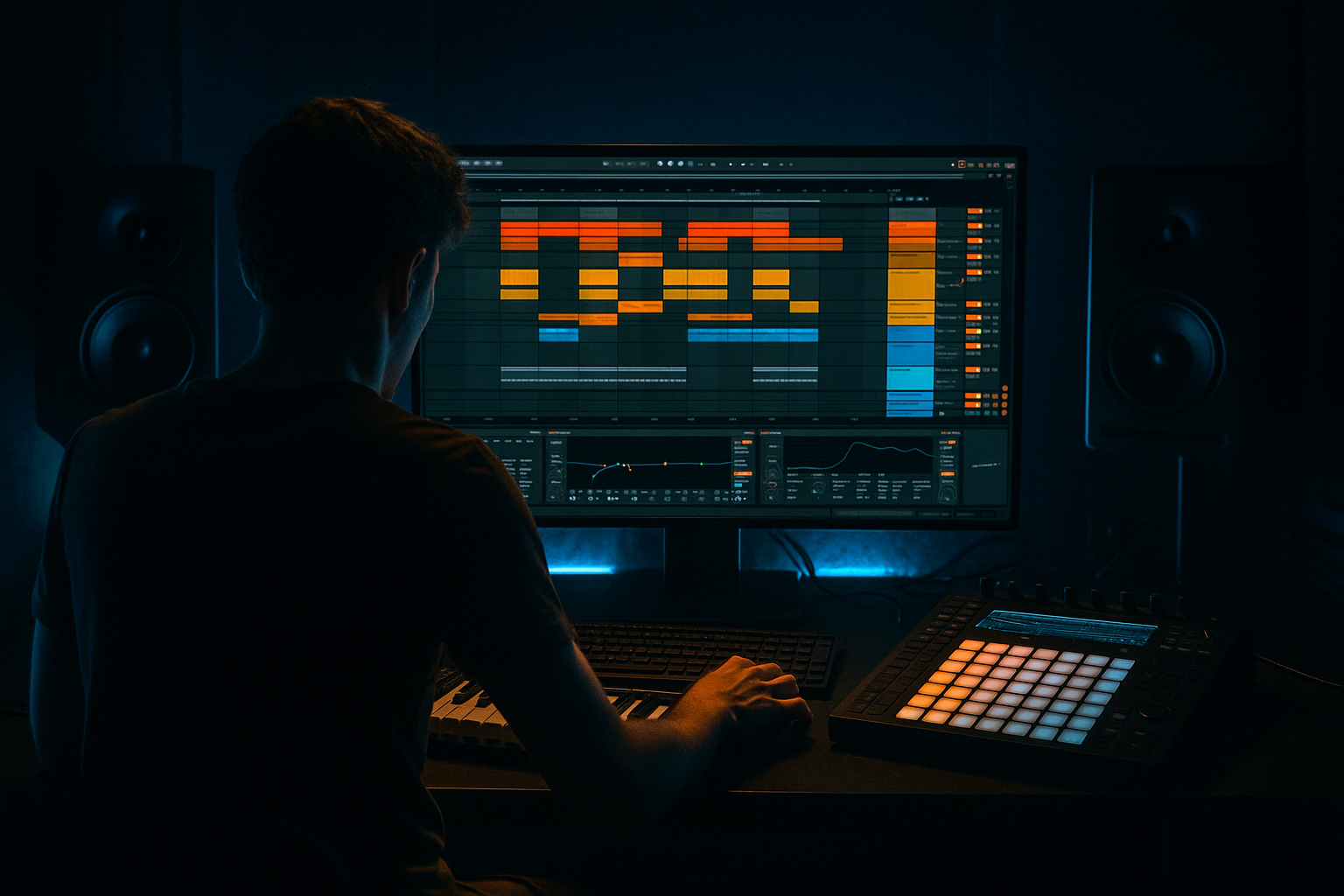
Tension chord voicings that actually works (Intermediate) cover image

Narrated lesson audio

The voice track includes the tutorial plus extra teacher commentary.

Open audio file

Main tutorial

🎶 Tension Chord Voicings That Work in DnB – A Practical Tutorial

1. Lesson Overview

Welcome, fellow music producers! In this lesson, we’re diving deep into tension chord voicings that can elevate your tracks in the vibrant world of Drum and Bass. These voicings can create an emotional connection and drive the energy in your tracks, which is crucial for keeping listeners engaged. We’ll explore how to compose them in Ableton Live to achieve the unique sound that resonates with the genre.

2. What You Will Build

By the end of this tutorial, you'll have:

  • A set of tension chord voicings suited for DnB.
  • A simple yet effective chord progression that adds tension.
  • A complete drum and bass track section using these chords.
  • 3. Step-by-Step Walkthrough

    Step 1: Create a New MIDI Track

    1. Open Ableton Live.

    2. Press CMD + Shift + T (Mac) or Ctrl + Shift + T (Windows) to create a new MIDI track.

    Step 2: Use a Synth or Piano Sound

  • Load a stock Instrument like Analog or Piano (for a classic vibe).
  • For a synth sound, try starting with a Saw Wave to achieve a rich harmonic content.
  • Step 3: Choose a Key

  • Let's say you're in the key of A minor. This is a great choice for DnB due to its potential for darker tones.
  • Step 4: Construct Your Chord Progression

  • Let’s build a progression: Am7 - Dm9 - Em7 - G13.
  • Enter these notes in the MIDI editor:
  • - Am7: A, C, E, G

    - Dm9: D, F, A, C, E

    - Em7: E, G, B, D

    - G13: G, B, D, F, A

    Step 5: Voicing Techniques

  • To create tension, use Extensions:
  • - Dm9 already has an extended note (the E).

    - For G13, include the high A, making it rich and colorful.

    Step 6: Play with Dynamics

  • Adjust velocity settings in the MIDI editor to provide some dynamics:
  • - Make the first note of each chord a bit louder to emphasize the release of tension.

    Step 7: Add Bass

  • Create a new MIDI track for the bass line. Use Operator or another strong bass synth.
  • Lay down a simple bassline that follows the root notes of your chords:
  • - A - D - E - G

  • Make sure your bass is punchy; you may add a bit of Saturator for warmth.
  • Step 8: Drum Arrangement

  • Add a typical DnB drum pattern using Drum Rack:
  • - Kick: every beat (1, 2, 3, 4)

    - Snare: usually on the 2 and 4

    - Hi-hats: off-beat 16th notes for a rolling feel.

    Step 9: Structuring the Arrangement

  • Create an 8-bar intro leading to your chord progression, introducing elements progressively.
  • 4. Common Mistakes

  • Overcomplicating Chords: Stick to fundamental tensions; adding too many notes can muddy the mix.
  • Neglecting the Bass: Without a strong bassline, your chord progression might lack weight.
  • Ignoring Dynamics: All notes at the same velocity can sound flat; dynamics bring life!
  • 5. Pro Tips for Darker/Heavier DnB

  • Use Modal Interchange: Experiment with borrowing chords from the parallel major or minor scale (e.g., borrow chords from C major to emphasize tension).
  • Layer your Sounds: Use multiple synths to duplicate the chord but vary their octaves and filtering for depth.
  • Reverse Effects: Retain tension by using reverb on the last chord and reversing it to create a swell into the next section.

6. Mini Practice Exercise

1. Create another tension chord sequence in a different key (e.g., C# minor) using the same chord types.

2. Play around with different bass rhythms alongside the new chords.

3. Try layering different synths with varied filters.

7. Recap

Today, we explored the world of tension chord voicings specifically for Drum and Bass. Using effective voicing techniques and outlining a clear arrangement, you can now energize your tracks while keeping the essence of the genre alive. Remember to keep practicing, experimenting with new keys, and layering sounds to perfectly balance tension and release in your compositions.

Now, get out there and start composing! 🎧🔥

Ask GPT about this lesson

Chat with the lesson tutor, get follow-up help, or use quick actions.

Bigup 👽 Ask me anything about this lesson and I’ll answer in context.

Narration script

Show spoken script
Welcome, fellow music producers! I’m excited to take you on a journey into the world of tension chord voicings that can truly elevate your Drum and Bass tracks. Whether you're just honing your skills or looking to inject fresh energy into your productions, these techniques will definitely help you connect with your listeners in a more emotional way. So, let’s dive in and discover how to harness the unique sound of tension chords in Ableton Live.

By the end of this tutorial, you’ll have a solid set of tension chord voicings, a simple yet captivating chord progression, and a complete section of a Drum and Bass track that prominently features those chords. Sounds good? Let’s get started!

First, open Ableton Live and press CMD + Shift + T on Mac or Ctrl + Shift + T on Windows to create a brand new MIDI track. This will be where all our magic happens.

Next, let’s load a sound. You can use a stock instrument like Analog or opt for a classic piano sound if you want that warm vibe. If you're feeling adventurous, try starting with a saw wave synth for a rich harmonic content; it works wonders for DnB!

Now, let’s choose a key. A minor is an excellent choice for this style since it lends itself beautifully to darker tones. 

It’s time to construct our chord progression. We’re going to use Am7, Dm9, Em7, and G13. Here's how they break down: for Am7, you’re looking at A, C, E, G; for Dm9, we’ve got D, F, A, C, E; moving to Em7, it’s E, G, B, D; finishing up with G13, we use G, B, D, F, and A. 

Now, here’s where we bring the tension. When voicing these chords, use extensions to enhance their richness. The Dm9 already includes an extended note—the E. For G13, don’t forget to include the high A; trust me, it adds so much depth!

Next, let’s play with dynamics. Head on over to the MIDI editor and adjust the velocity settings. Making the first note of each chord slightly louder emphasizes the release of tension and makes your progression feel alive and dynamic.

Now it’s time to add some bass. Create another new MIDI track for your bass line. You can opt for Operator or any strong bass synth you like. Lay down a simple bassline that follows the root notes of your chords: A, D, E, and G. For a punchy bass, consider adding a bit of Saturator to warm it up. This complements the chords perfectly!

With the bass in place, let’s focus on the drums. Set up a typical DnB drum pattern using Drum Rack. Place kicks on every beat, your snares typically on the 2 and 4, and hi-hats on those off-beat 16th notes to keep that rolling feel.

Now we need to structure the arrangement. Create an 8-bar intro that gradually brings in your chord progression, introducing elements in a way that builds anticipation.

As we wrap up the main section, let’s talk about some common pitfalls. Avoid overcomplicating your chords; keep it focused on fundamental tensions. Always ensure your bassline is strong—without it, your chords can lack the necessary weight. And remember, dynamics are crucial. If all your notes are at the same velocity, the result will sound flat and uninspired.

If you want to go deeper into darker or heavier DnB, consider using modal interchange by borrowing chords from the parallel major or minor scale. You can also layer your sounds with different synths at varying octaves, and don’t shy away from experimentation with reverse effects—using reverb on the last chord and reversing it can create a swell that draws listeners into the next section.

For your mini practice exercise, I challenge you to create another tension chord sequence in a different key, like C# minor, using the same chord types. Play with different bass rhythms to see what resonates, and experiment with layering different synths utilizing varied filters.

Today, we explored a rich landscape of tension chord voicings suited for Drum and Bass. With the techniques we’ve discussed today, you’re now equipped to energize your tracks while capturing the essence of this incredible genre. Remember, practicing and experimenting with new keys will only enhance your craft. 

Now, go out there, start composing, and make some magic happen. Happy producing!

Background music

Premium Unlimted Access £14.99

Any 1 Tutorial FREE Everyday
Tutorial Explain
Generating PDF preview…
